
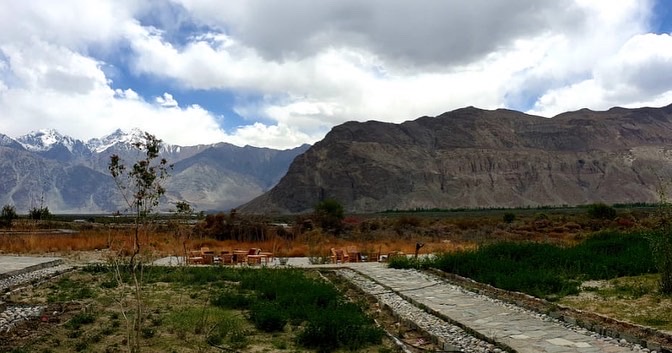
We all think we are patriots, but how many of us are really willing to put our heart, soul, body and most importantly the mind to use to protect and defend it. Col. Chewang Rinchen is a national hero who was instrumental in making sure Nubra valley still is part of India, he was part of not 1, not 2 but 3 wars to make sure the motherland was protected! Read through to blog on my discovery of Lion of Nubra Valley
This is going to be a long post, so buckle up. If you just want to read about Col. Rinchen scroll to the bottom. If you would like context, use the links below before reading this blog
Racing through the plains (Information Post)
White Carpet
Lion of Nubra- this post
Ice and Dust
Before we got to Nubra, we left off the last part of the Ladakh series with us still in Leh! Given what happened the last time we drive through the Leh Manali road, the wife was not keen on repeating it again on the way back! I still hadn’t given up the idea as yet. Most of the hotels in and around Ladakh were sold out and booked and we were finding it difficult to get rooms for the rest of the trip, we were enjoying ourselves too much at the Indus River Camp, our plans were not finalised for a few days now and they were going no -where.
The very next day after we reached Leh, we decided to head to Leh market and Namza was recommended as good place to grab lunch, we found the parking at Polo grounds and decided to walk – roughly 3 kms each way from the parking to Namza. Phew, we were completely exhausted and out of breath before reached the restaurant. The food at Namza made it completely worth it, we tried the Ladakhi Pulao and some apricot based dishes which are unique and very different. The meal ended with apricot cheesecake which gave us enough energy to walk back to the Leh market!
The temporary shops set up beside the main market are better priced and have the same stuff. Don’t go to the big shops on the cobbled street as they are pricey and they are not really interested in Indian tourists, probably understandable given the way we conduct ourselves.
The next morning I was trying to clean the car myself to see how much better I was feeling, I still wasn’t a 100% but I could feel myself getting back to normal. My now daily early morning walk to the pond and back was just a wee bit less taxing.
One such afternoon as we were sitting by the river, we noticed this in the clouds. Some of the clouds in the sky suddenly became colourful and it started growing and moving, a beautiful thing to watch
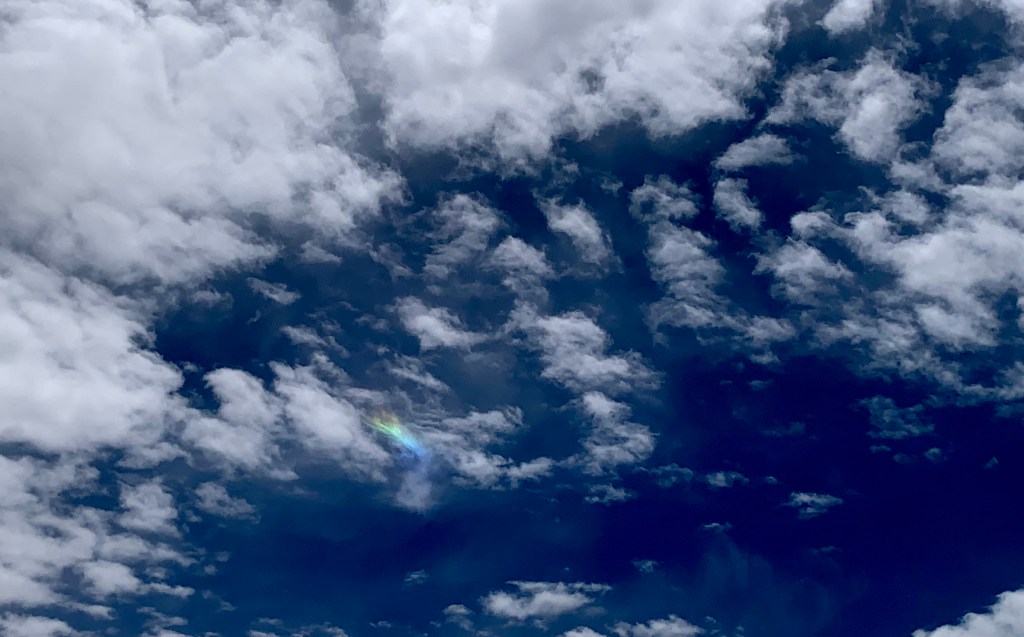
Iridescent clouds are a diffraction phenomenon caused by small water droplets or small ice crystals individually scattering light. Larger ice crystals do not produce iridescence, but can cause halos, a different phenomenon.
A couple more days went by with us being a little indecisive in our plans and we needed help, in came Nico, the owner of Indus River Camp. He seemed to exactly understand what we were looking for and gave us some really good suggestions, we were looking for off beat places as much as possible. He helped us find a fantastic hotel in Sumur to stay, this was a resort that was just opening and I would say we got a great deal and got lucky. All thanks to Nico we had some kind of plan set, we had decided to drop staying in Pangong Tso since no rooms were available. Tso Moiri was also dropped due to the high altitude and the wife didn’t want to take a chance staying the night at a high altitude location.
We hopped into Kaya cafe one afternoon, a now famous Vegan restaurant near Stok, and the food was as good as expected and the Cherry Sorbet just blew my mind! A must visit when your are heading to Stok Monastery.
We also decided to drive down to Sham Valley on Nico’s recommendation, it was one of the best decisions we made. The drive to Sham valley is amazing, with the Indus River and the tiny green patches all around.
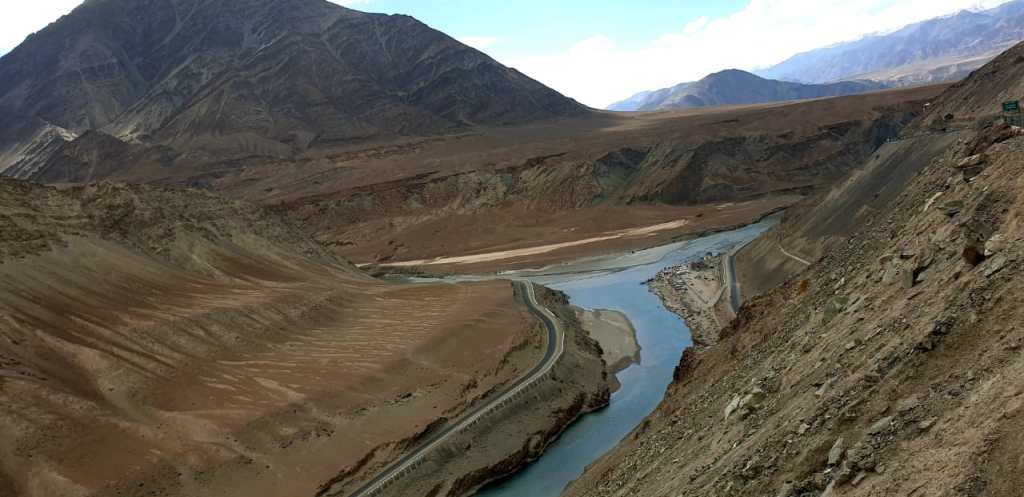
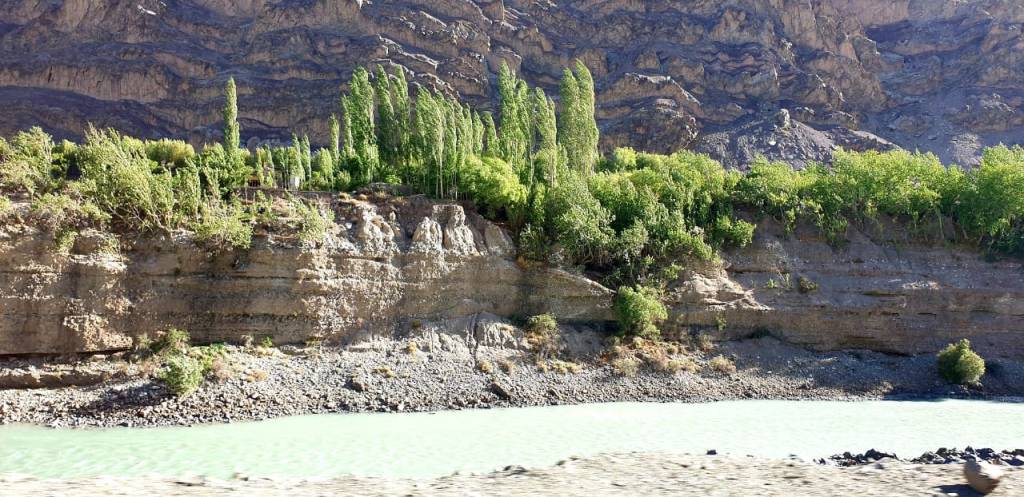
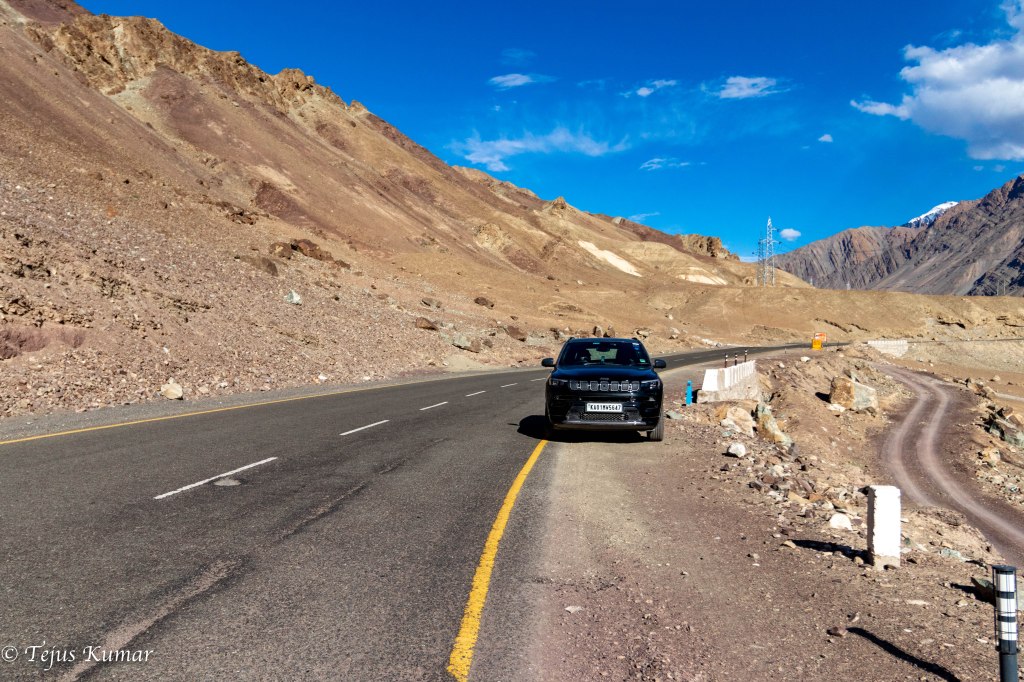
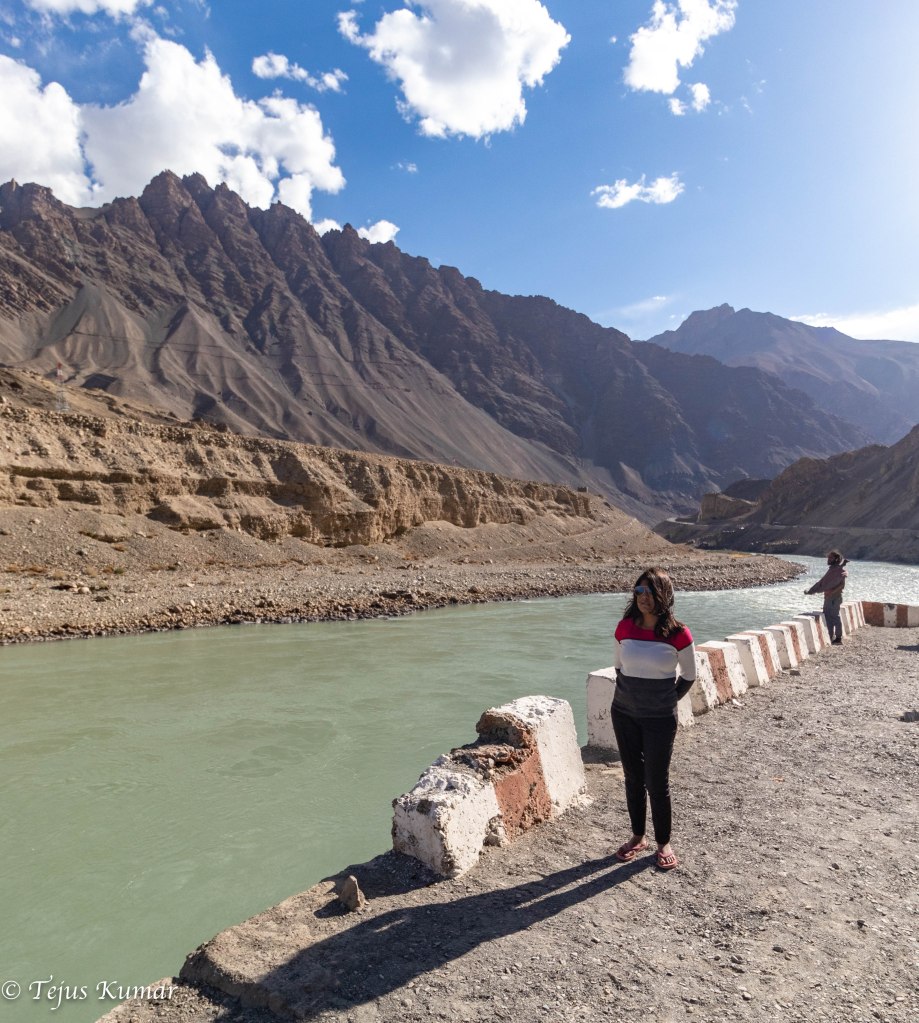
We visited the beautiful and little known village of Tingmosgang, which has a monastery with very little tourist crowd, we didn’t necessarily have the time to do the full route of Tingmosgang -> Rizong Gompa ->Uley ->Likir. If your looking for a slice of untouched Ladakh, this would be a suggested route. There are little restaurants along the way to fill you up with some lovely Kawa 🙂 Alichi Kitchen is now a pretty popular place to stop for food.
This drive was never part of the plan and was the surprise of the trip, JC got to stretch her legs after a couple of days of rest and we had a great drive, we wrapped it up with a halt at sangam after the maddening crowd had left. The good thing about visiting Leh in summer is that you have sunlight all the way till 7:30 PM. This day wrapped up our stay at Leh.
We were up early the next day and were headed to Nubra, we wanted to beat the traffic at Khardungla so we bid our goodbyes to the hotel staff and were on our way by 6:30. The roads up Khardungla are good, but we still managed to get stuck as we started our climb since a IOCL truck had broken down and blocked the road, a very helpful cabbie made sure we all turned around and he took us on a alternate route which bypassed the truck that was stuck.
There is always talk about how cab drives in Ladakh are unruly, this was a classic example of the opposite, he even made sure to wait at intersections so that are now almost 6 car convoy was together. Yes, the cab drivers do drive fast and I followed the same thing I did last time, let everyone in a hurry go past. This approach seemed to work out, since this is supposed to be holiday and your supposed to relax 🙂
The roads after the South Pullu check post continued to be good and it brought back memories of our previous drive up to Khardungla.
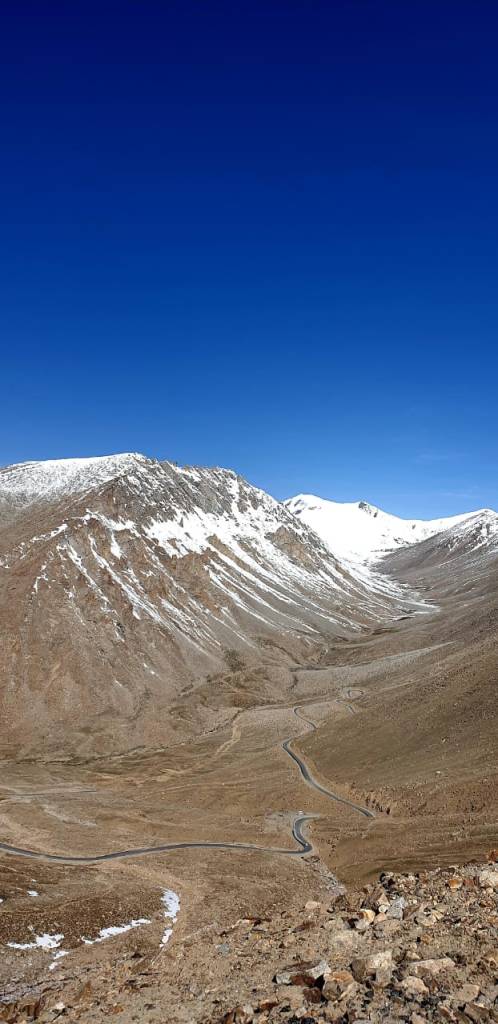
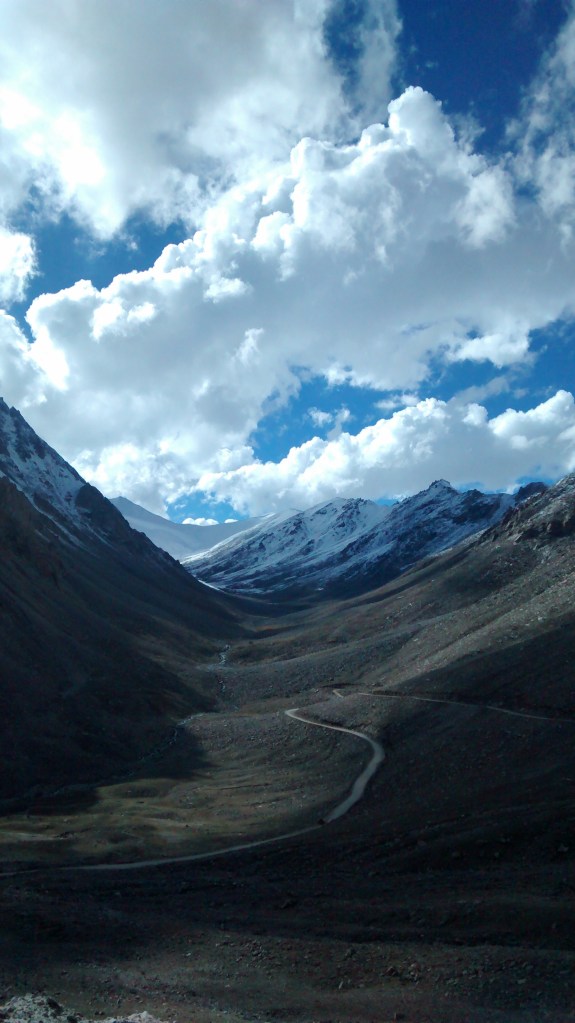
We reached the top of Khardungla, it was sub zero as expected and very little crowd given that it was early in the morning. The drive down from the Khardungla top to North Pullu was not great thanks to melting snow and the road broadening work.
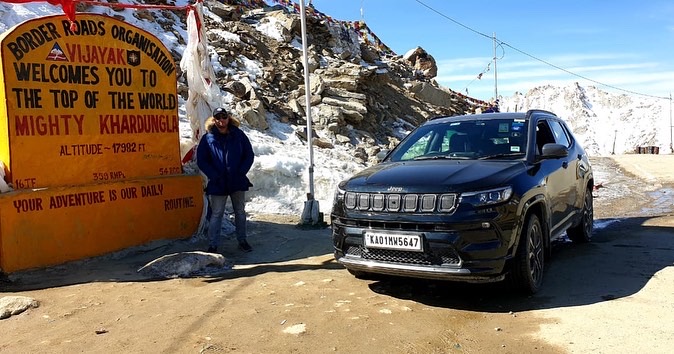
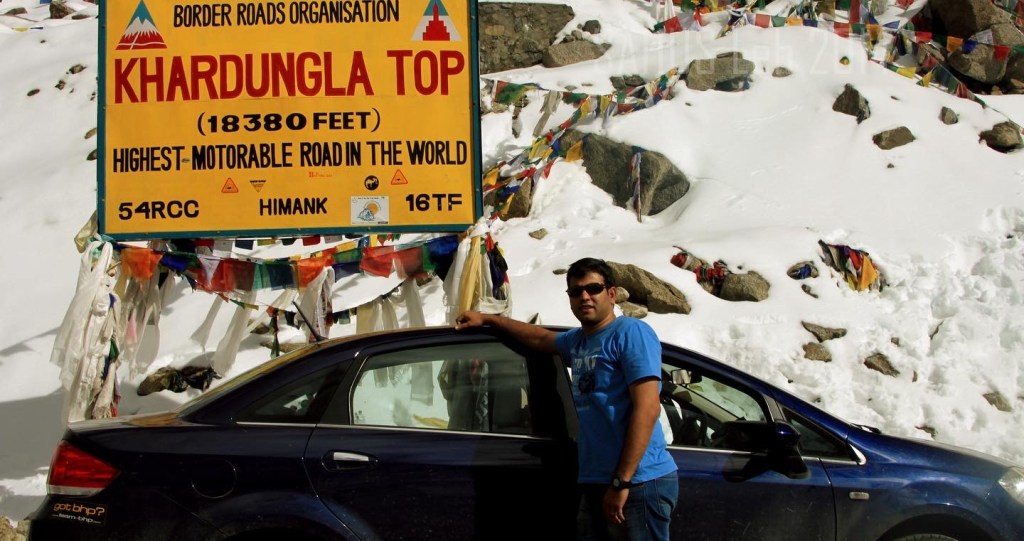
We stopped in Khardung village for breakfast, there was another JC from Delhi parked. We exchanged greetings as we sat down for a nice hot cup of Kawa and some Maggi.
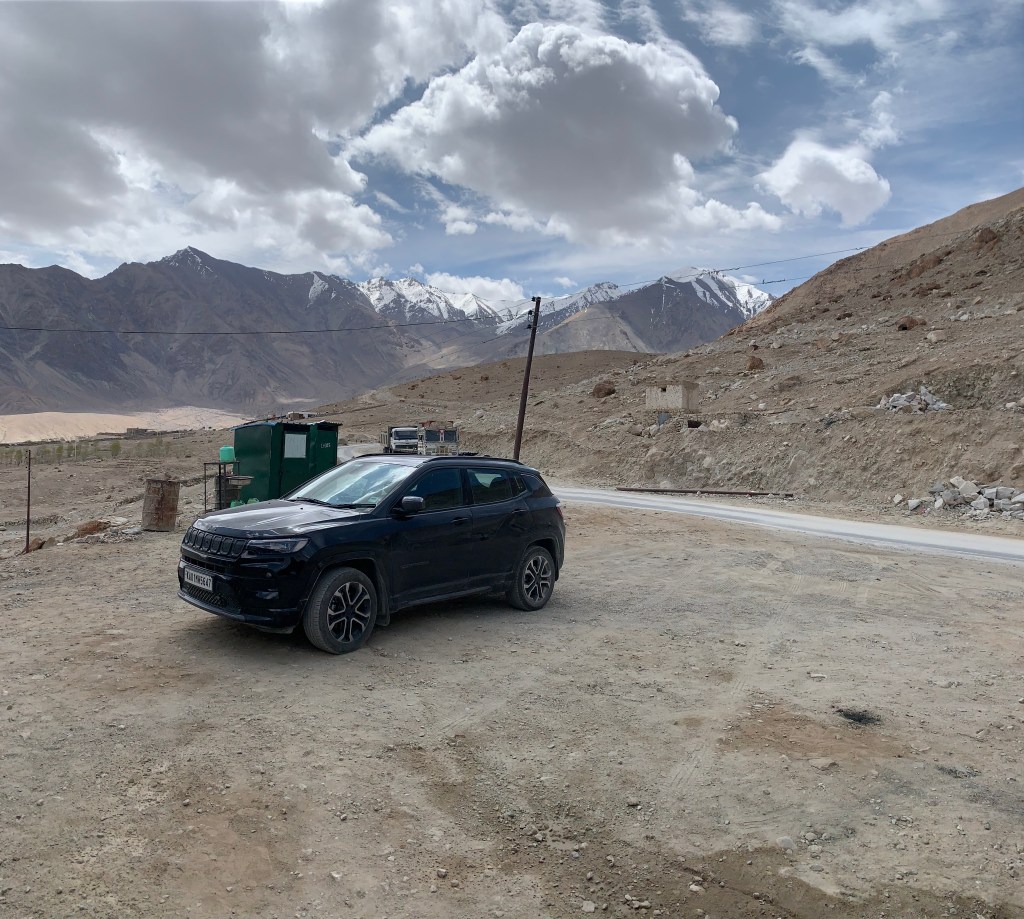
This was our first time on the other side of Khardungla, Nubra valley quite literally blew our mind. There are many stories on how this valley was created, the story being that the British blew up some mountains to make sure more water flows through the valley. After a point in time we stopped halting to take photos or enjoy the views simply because every corner and every angle just blows your mind, the photos simply don’t do justice to the place. A cliched line but you really need to visit the place to experience it.
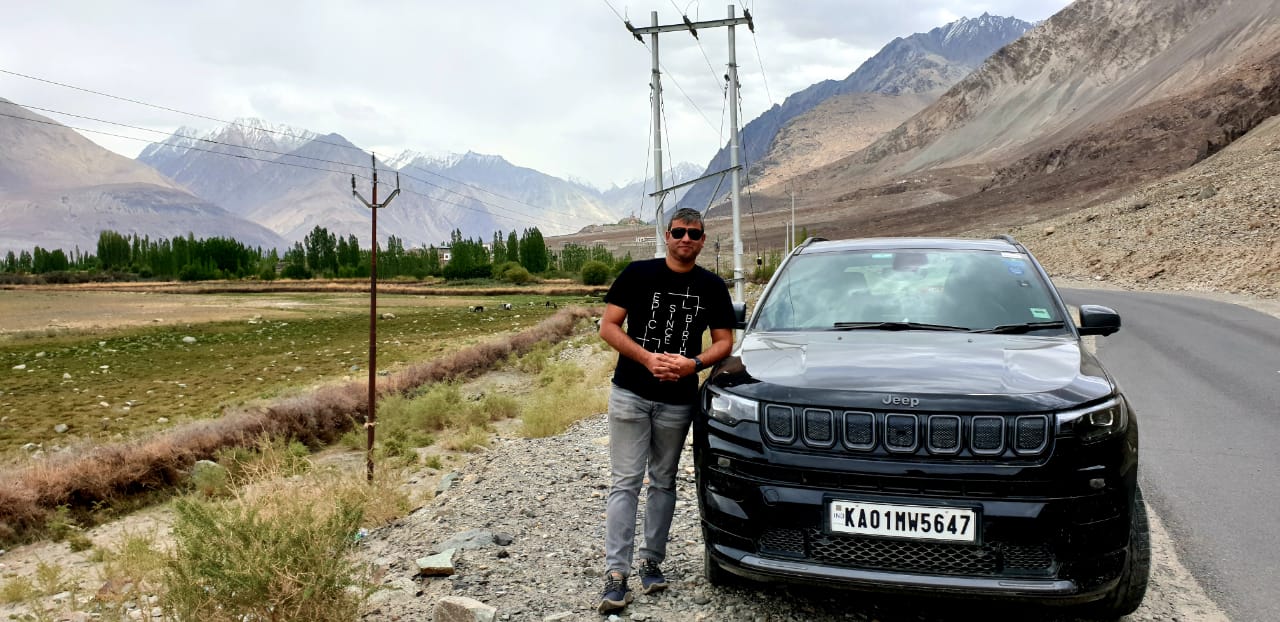
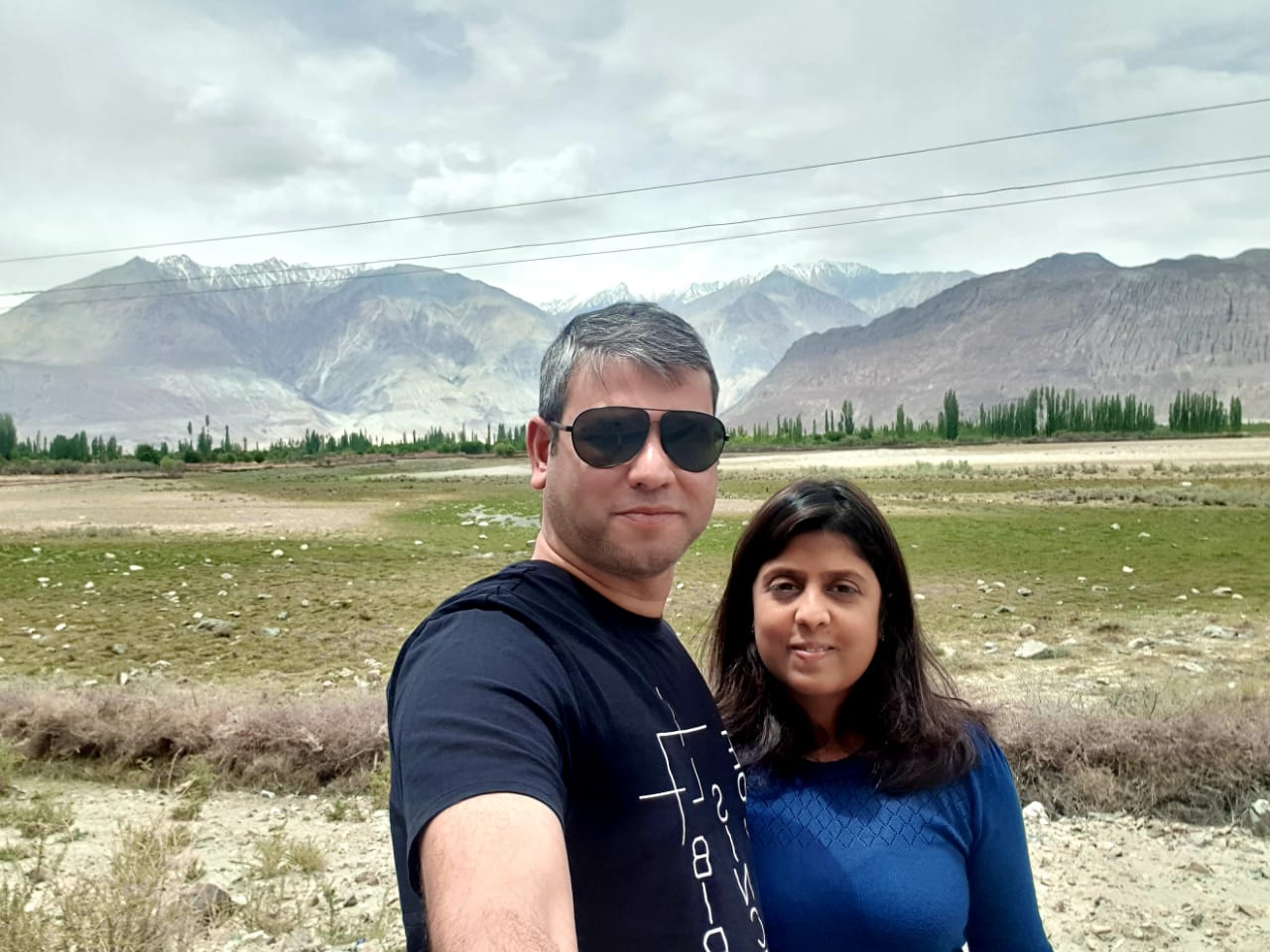
There is the green, sand dunes, the rivers (Shyok, Siachen) and the mighty mountains. Our plan for the day was to check into our hotel – The Dune in Hunder and head straight to Turtruk.
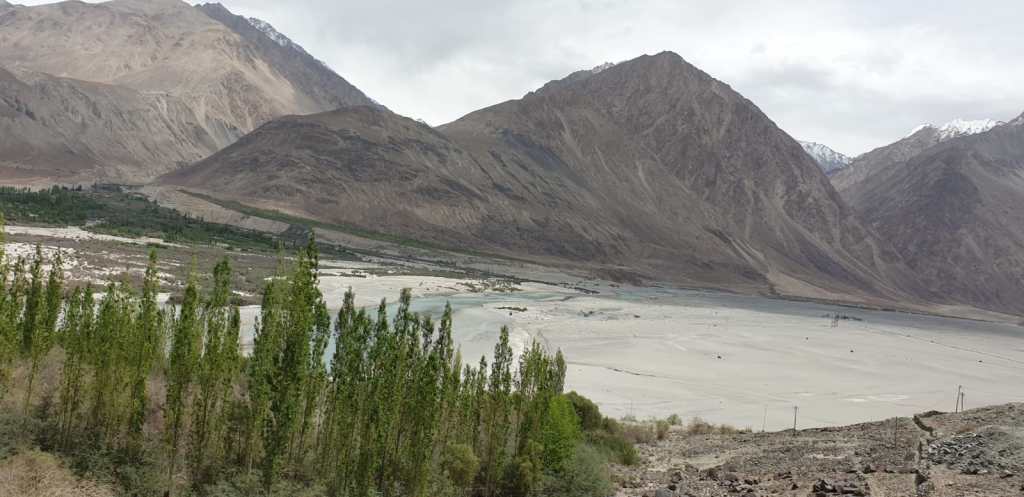
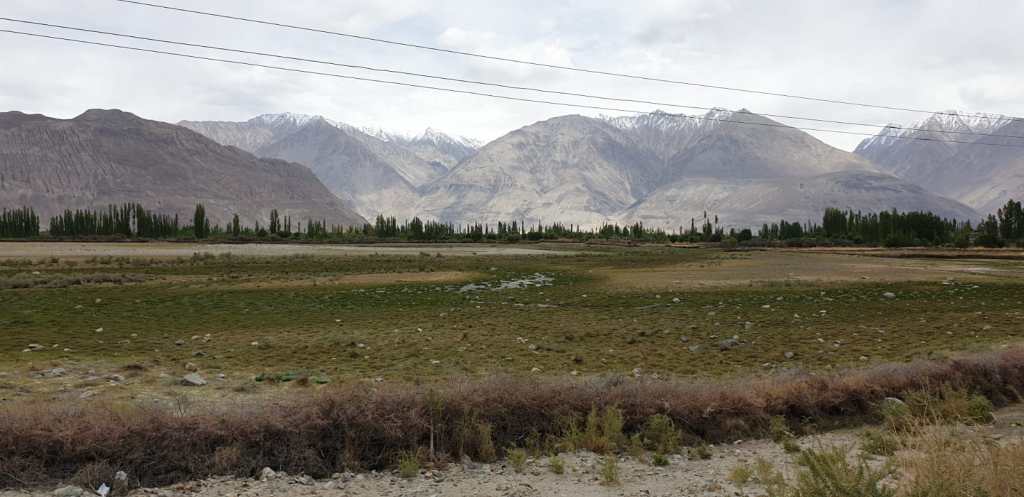
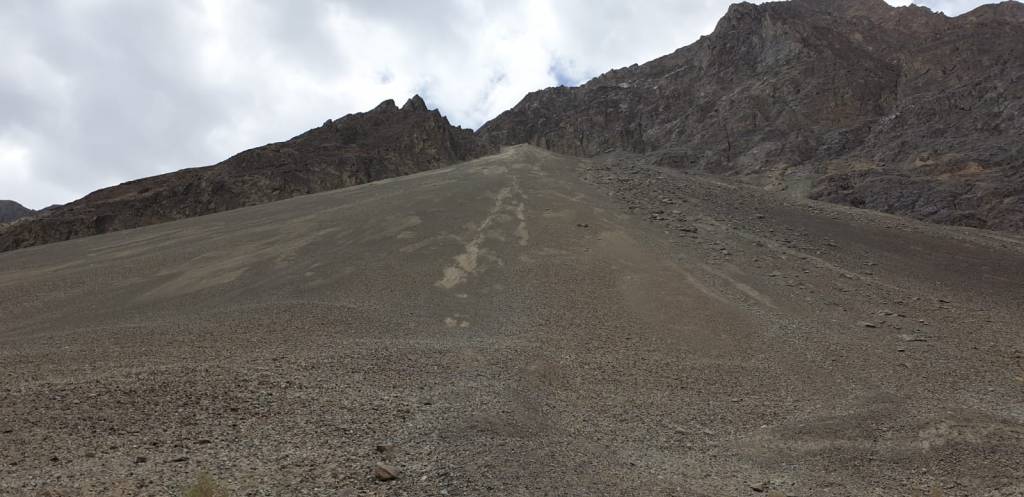
It was 11 AM before we left our hotel in Hunder, we had very carefully kept all our bags in the hotel and left. It was not before we were an hour into our journey did I realise that the permits were also in the bag that I had left behind! Going back to the hotel and coming would mean we would not be able to reach Turtuk before dark so we decided to proceed and see if a soft copy of the permit would help.
It looked like we were the only ones on the road going towards Turtuk, we only saw a couple of vehicles coming back from there and the wife wasn’t too happy about it and pondered if I was driving her into Pakistan. Thankfully the Checkpost did not add to the drama of the trip, they gave us a token and asked us to return it while going back. The roads are mostly in good shape all the way to Turkuk, you can also go all the way to the last village now.
There were crowds everywhere and even finding a parking in Turtuk was a challenge, we did find it and grabbed some lunch for ourselves as we savoured the scenery of the place, the wind howling, a little rainfall, a stream straight from the glacier and green all around. These little villages are really a must visit
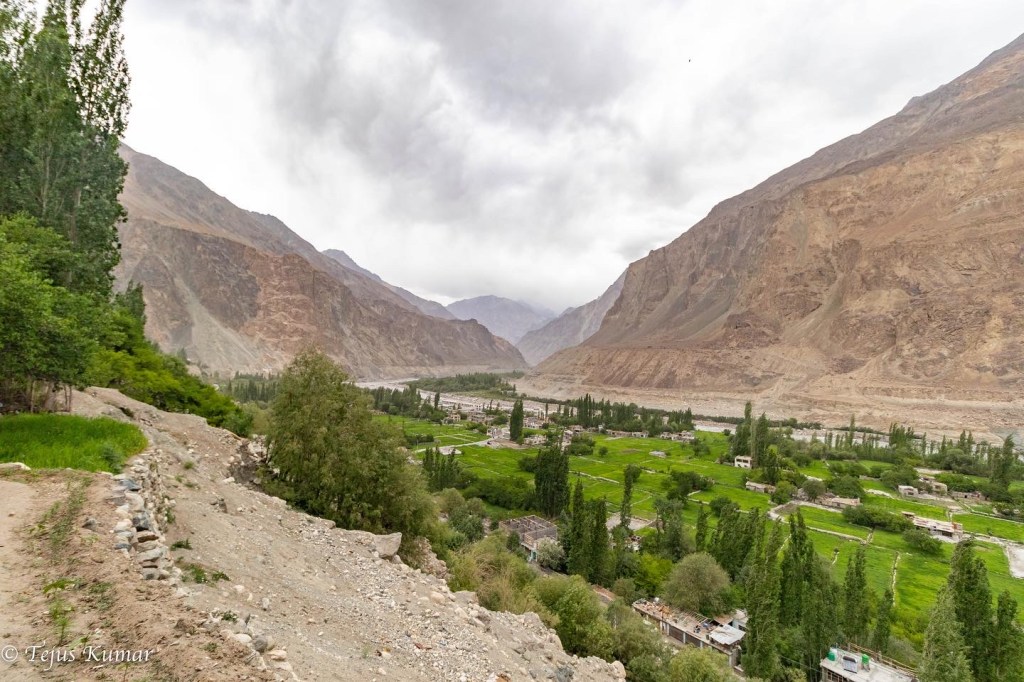
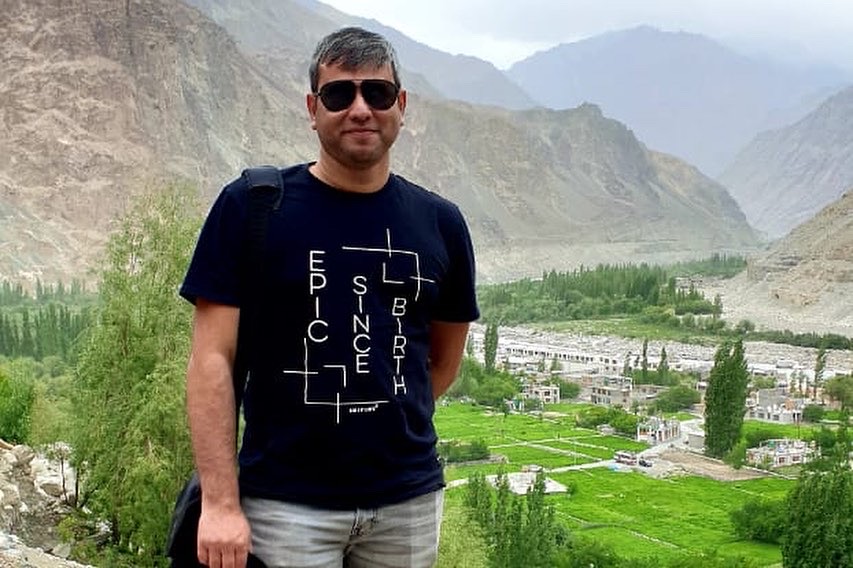
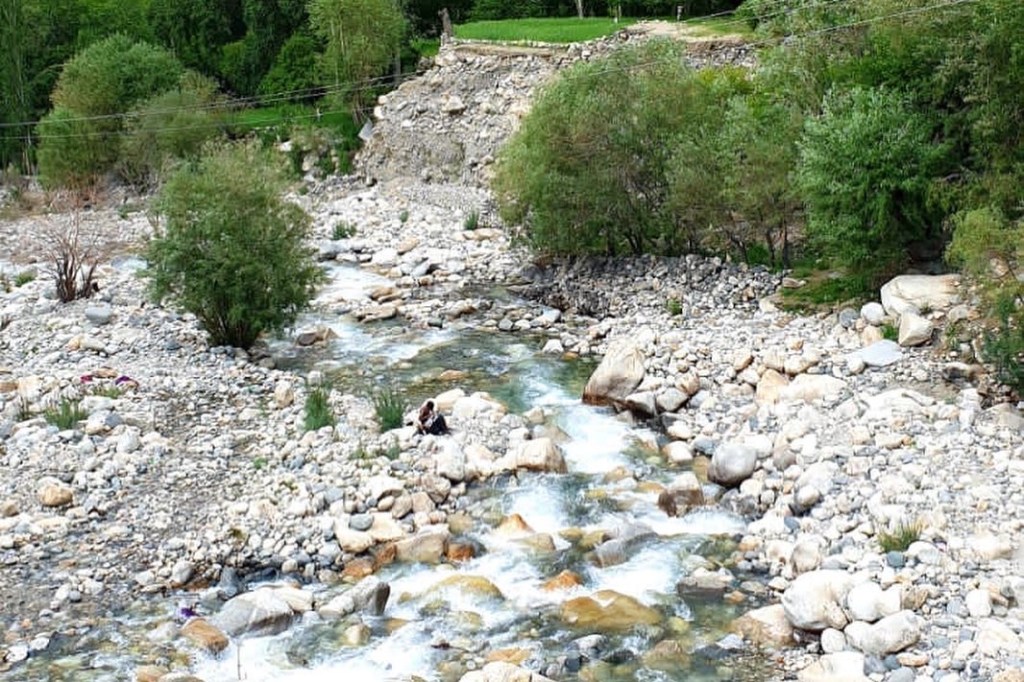
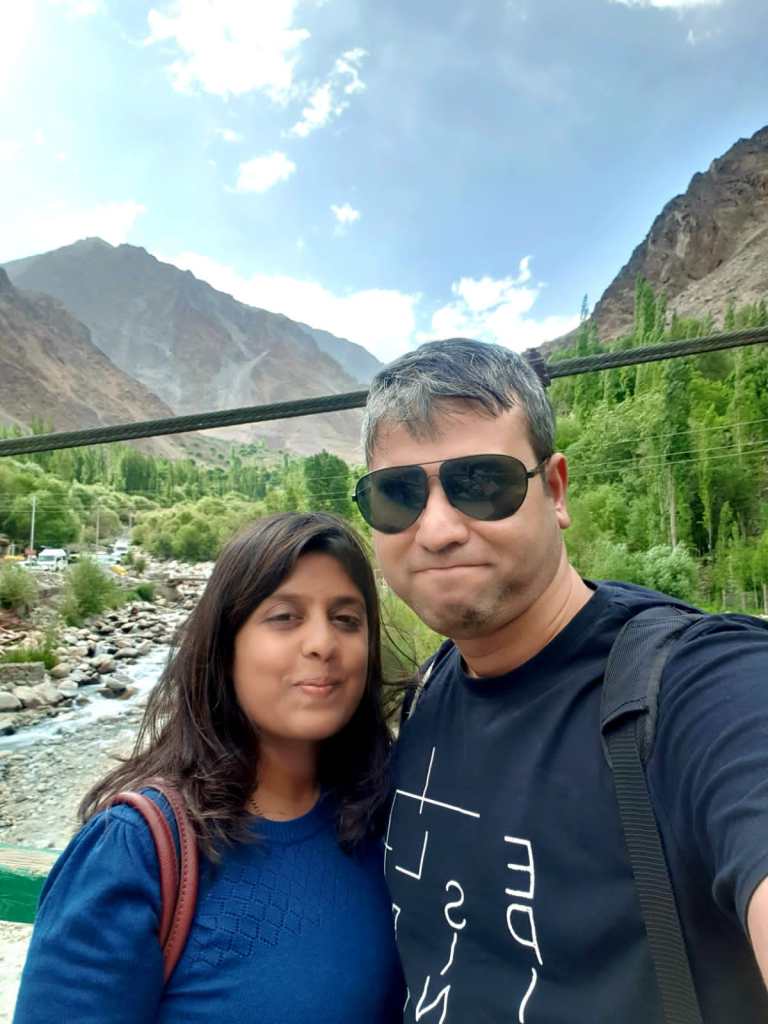
For those of you who are unaware, Turtuk is the one of the last villages in India and was part of Pakistan until the 1971 war. These villages are geographically located in Baltistan and people here speak Balti, the culture of the people here is different from Ladakhi’s. You have a good dry fruits shop as you are walking into the village.
We headed back to our hotel – a 2.5 hour drive back to Hunder, the rooms at the hotel were large but overall the hotel was average, I would look for other options if I was to visit again. They did have a nice cultural show in the evening though.
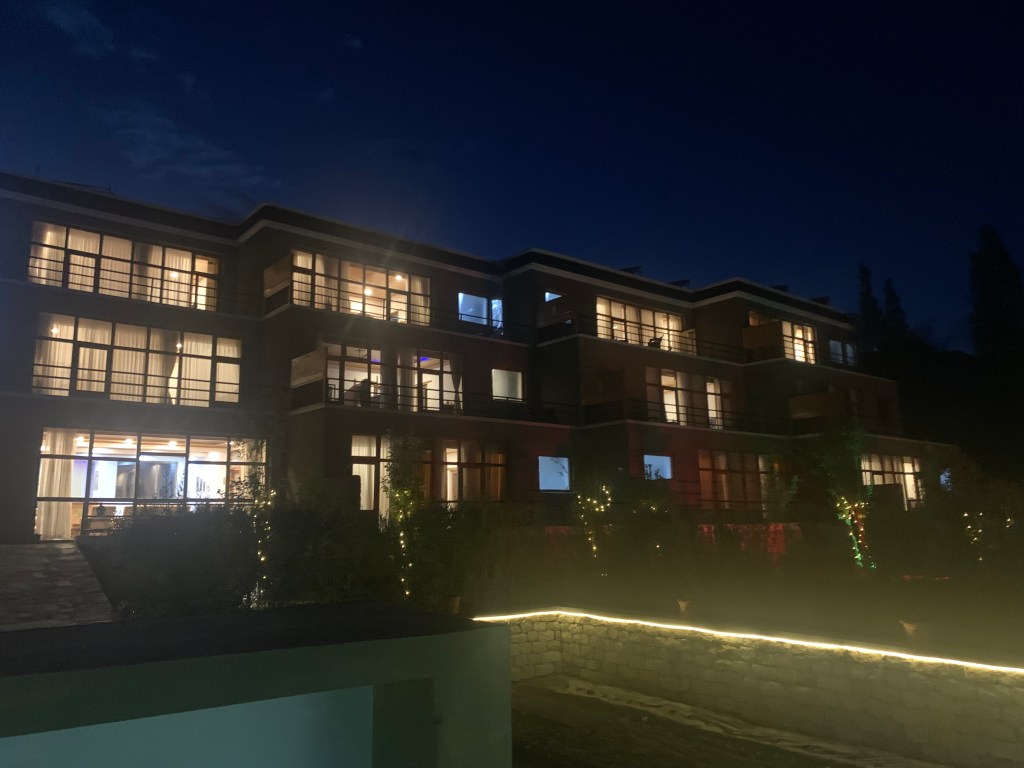
Although you have network the hotel accepts only cash or UPI and not Credit cards which seemed quite odd given the price and facilities on offer , it was around 10k per night.
We headed out to the Hunder sand dunes early next morning and managed to have the entire area to ourselves. Hunder is the only cold desert in India, we didn’t have too much interest in riding the famous double humped bacterial camels so we enjoyed having the whole place to ourselves.
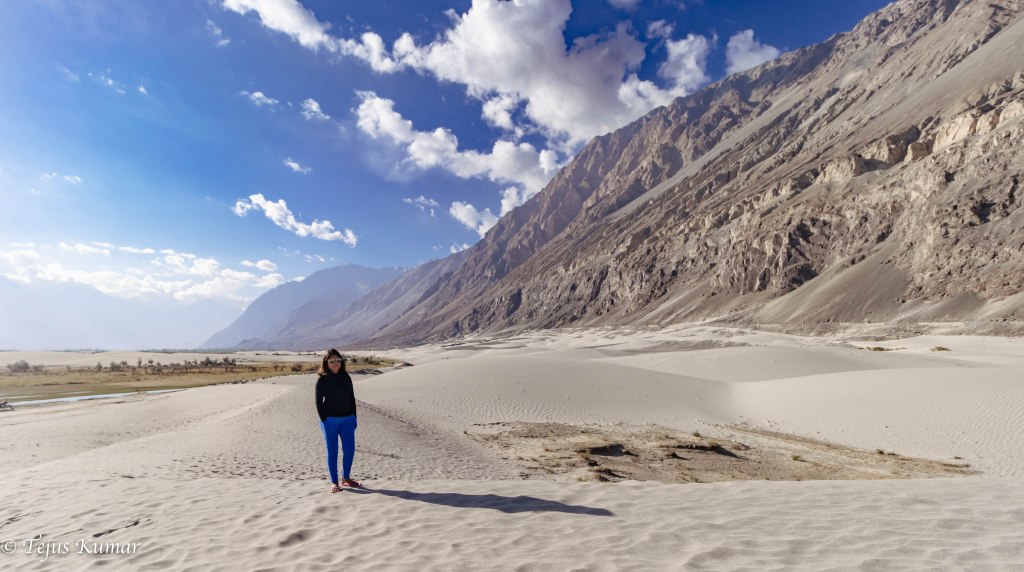
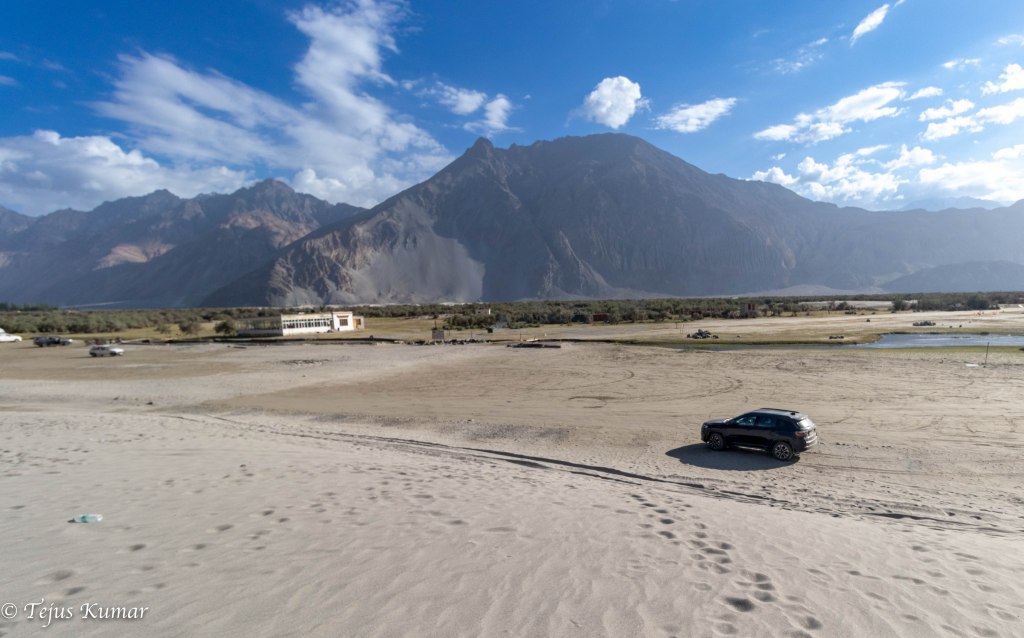
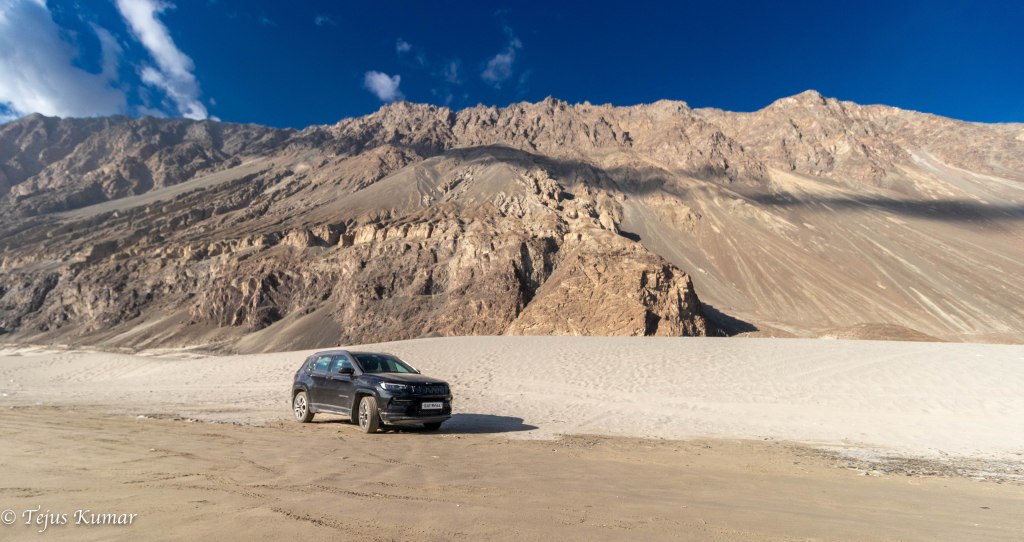
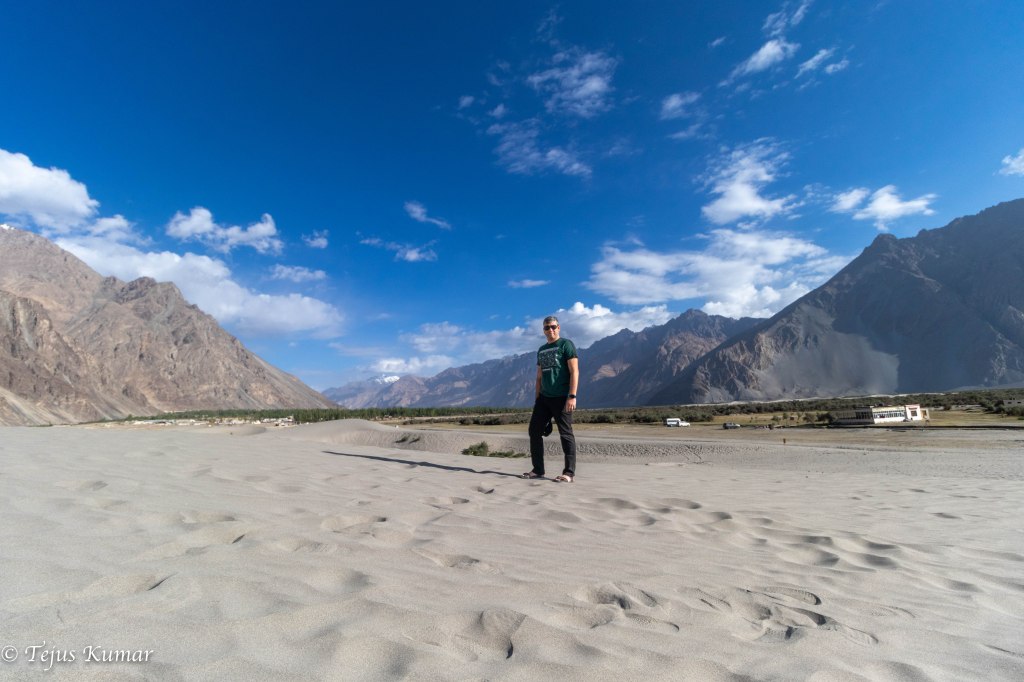
It was really hard to get up before sunrise simply because the sunrise was maybe around 5:30 AM, which was made sure I didn’t have any sunrise pictures through the trip, in hindsight we should have gone there during the sunset!
After breakfast our next halt was the Diskit Monastery, I will let the pictures do the talking here.
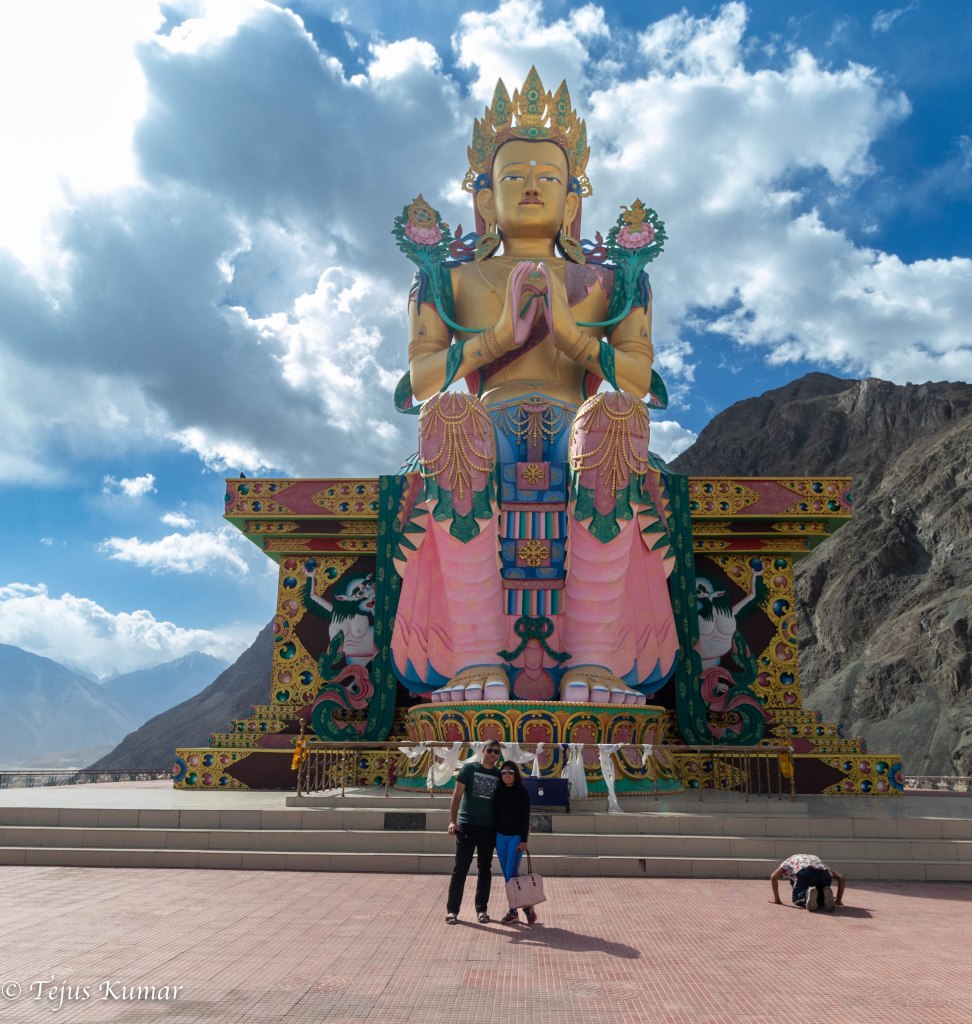
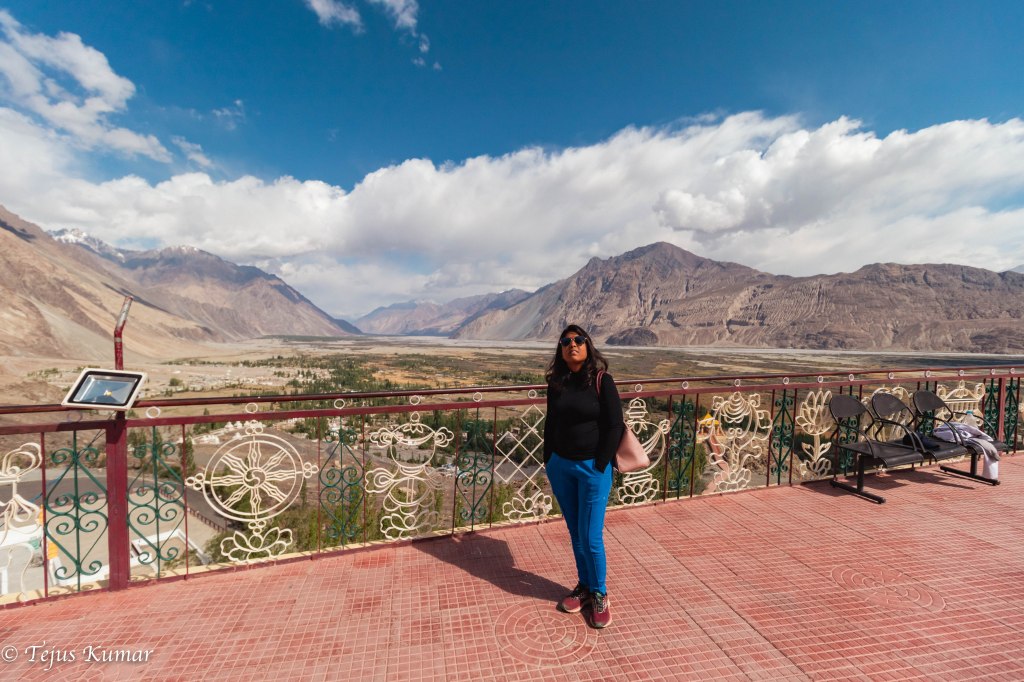
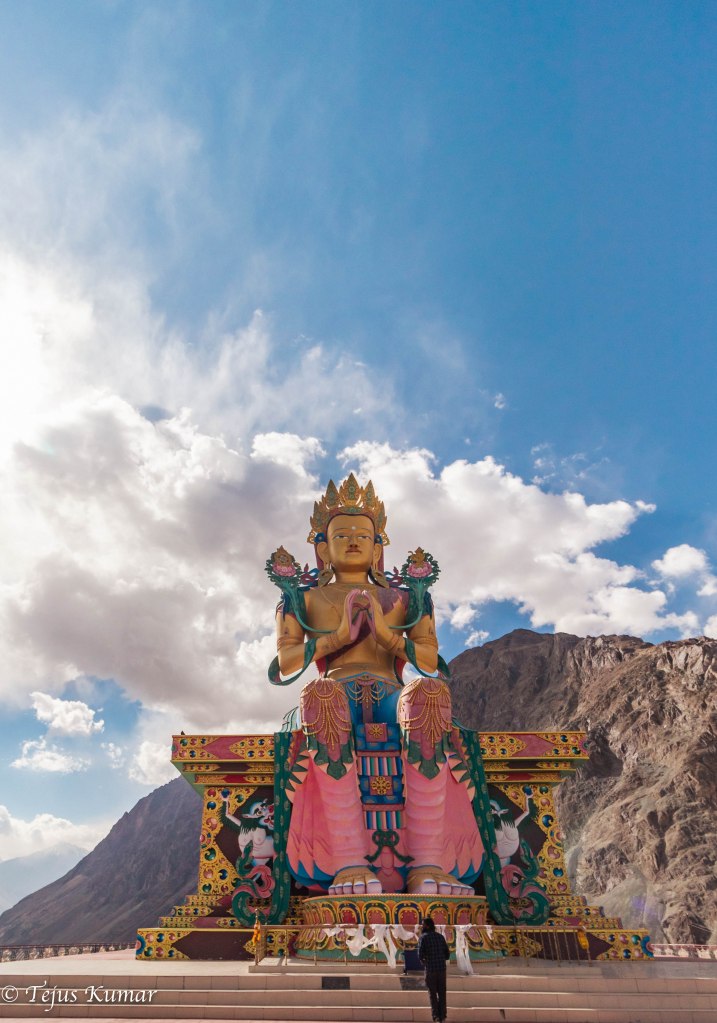
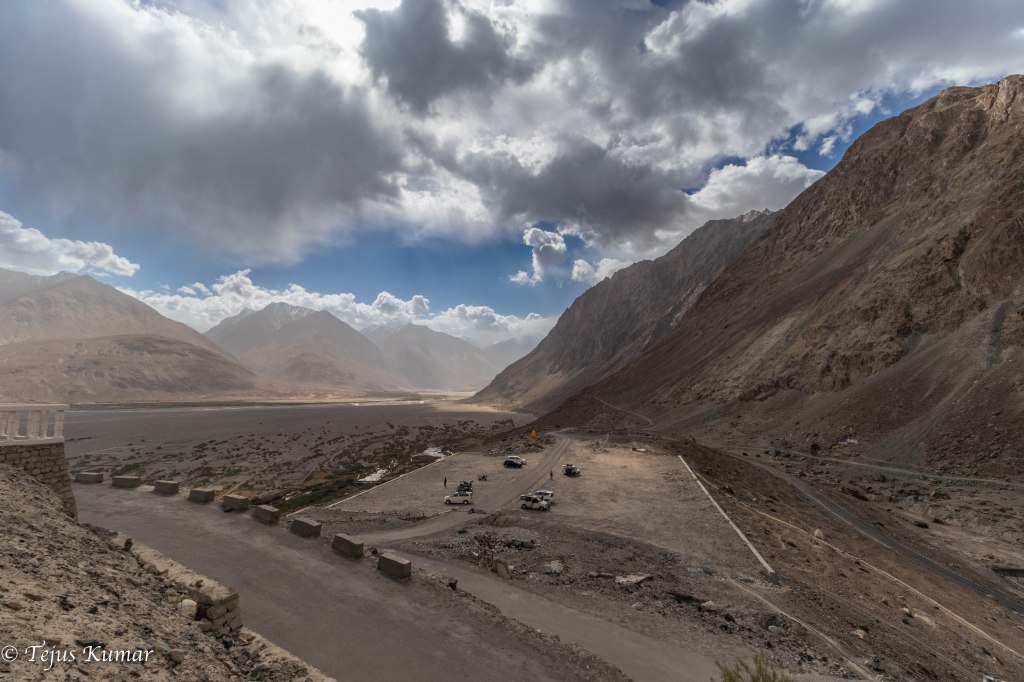
There is a temple inside the Maitreya Buddha statue which is worth a visit to understand the difference between Yellow and Red robed Buddhist monks. At the risk of sounding like a broken record, just look at the views. The expression on the Maitreya statue is just perfect, its quite amazing.
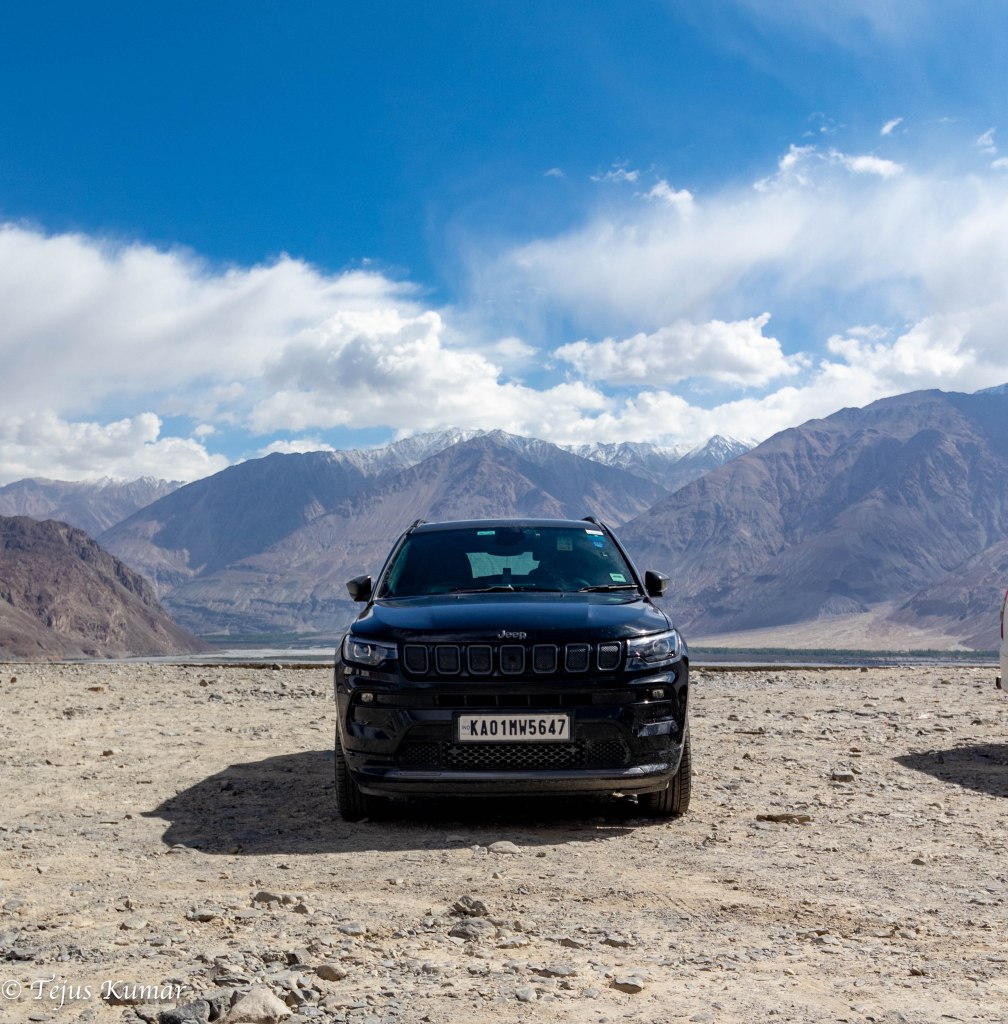
One of my favourite photos of the JC, from the parking space at Diskit
Just as we were heading out of the monastery, an army officer stopped our car and requested a lift to meet some of his fellow jawans who were in hospital in Leh, unforuntately we were not headed that way and couldn’t help him. We had received news of an army truck running off the road on the Turtuk road and some of our Jawans succumbing to their injuries, may their souls rest in peace and their families find the strength to move ahead.
The wife wanted to go rafting in Sangam but didn’t get to do it there, so we decided to try our luck at Khalsar, they take you from Khalsar in an vehicle to the place where you are able to get into the river. It was a good expeirence. We were wet by the end of it, with me desperately trying to keep my car keys dry! I did manage to do it but the phones were all wet, thankfully no damage done. Leave your belongings in the locker!
With the rafting off our list, we made our way back to the only fuel station which now had hardly any queue. Topped up our tank, and headed to the our next destination – Sumur. The roads on the other side of Nubra valley are not as good – narrow and they have ditches to allow the streams to cross over, some of which felt like mini water crossings. We saw an army convoy coming from Siachen base camp so waited at the side of the road to allow them to pass, as the first truck came close by and stopped and I was wondering if he was going ask me to move more to the side, instead the army personnel driving the truck stuck his head out the window and shouted – ” Yava Ooru” in Kannada (He was asking me which town I was from)! I returned in the favour by poking my head out of my window, we exchanged pleasantries and headed our ways!
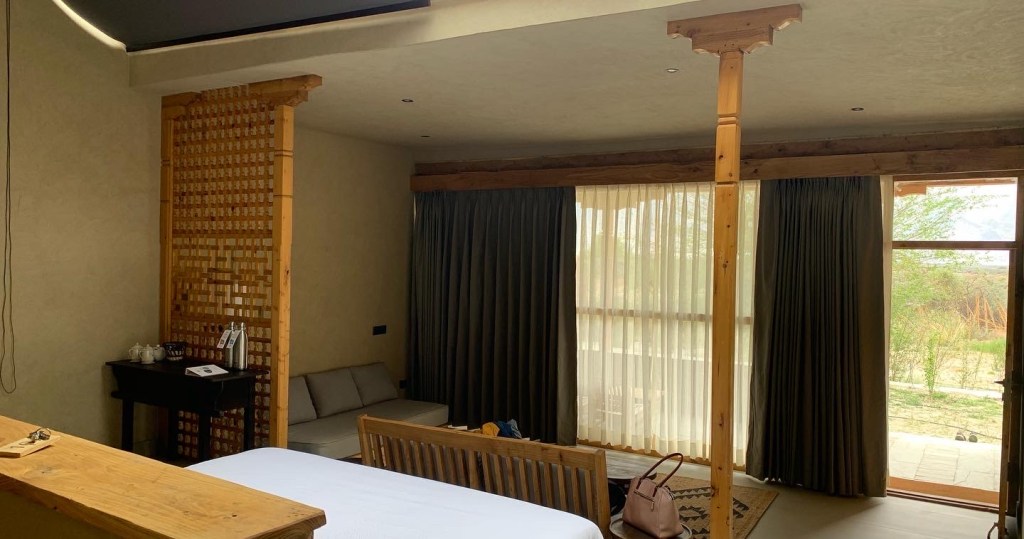
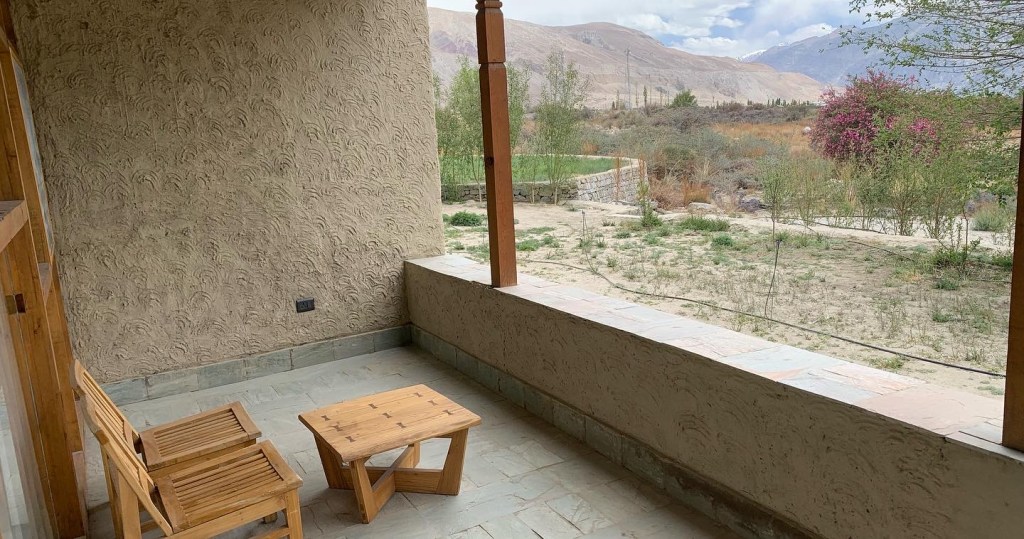
We were booked into the brand new Kyagar – they had just started operations and were operating at 50% capacity. We got lucky with this place since they didn’t have a website up and running as yet. It’s designed very close to the banks of the Siachen and is done up really well, its on the expensive side but a beautiful place to visit. We were thinking we should have spent two days at the hotel. The room had a glass ceiling for us be amazed by the stars in the night.
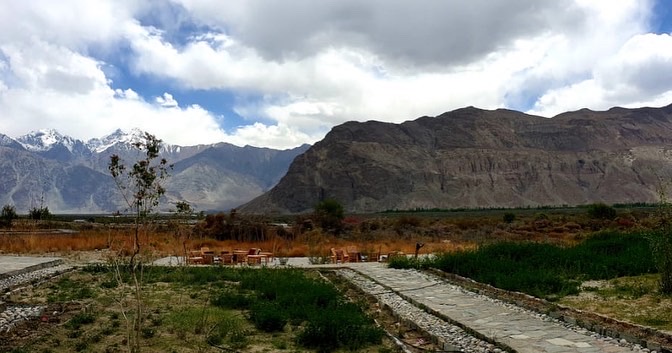
We visited a a 300 year old house in Kyagar which was run by a women self help groups in the Kyagar village. It was an interesting experience being walked through how they cooked, what they cooked and how they managed to survive the winter without any supplies. The self sufficiency in everything they did would soon be lost to time.
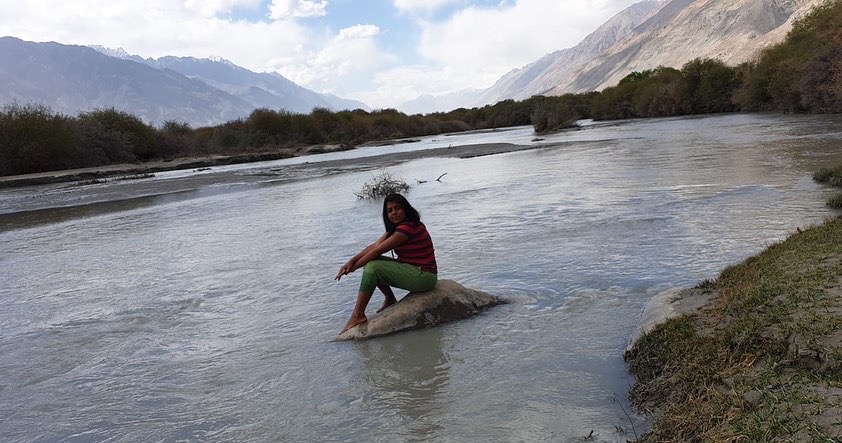
The hotel folk did think we could jump into the icy Siachen river given how sunny it was, we did just dip our feet into it and settled on a rock as we saw the river flow by. The water was more brown given how sunny it was – the glacier melting! Siachen is the second largest mass of ice/glaciers after both the poles, an interesting fact I learnt as I was digging through the library later in the evening.
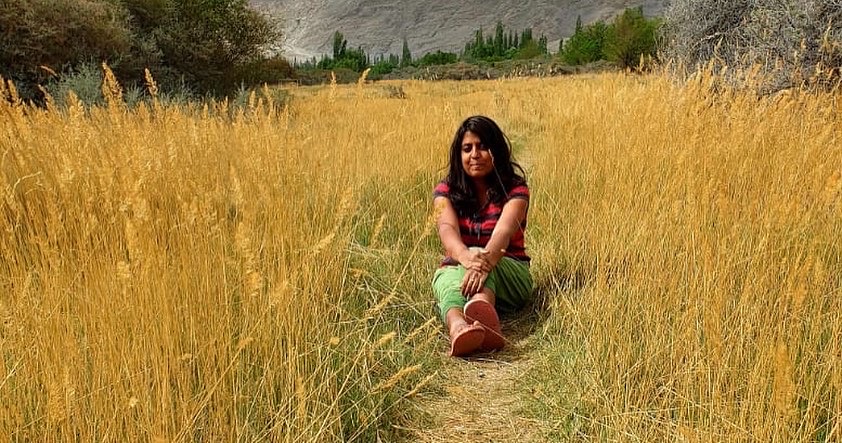
You are truly free only when your mind is not going a million miles per hour and you can focus on a bee hunt for honey! Some of things I really live for, we spent a couple of hours here without knowing how late it had become.
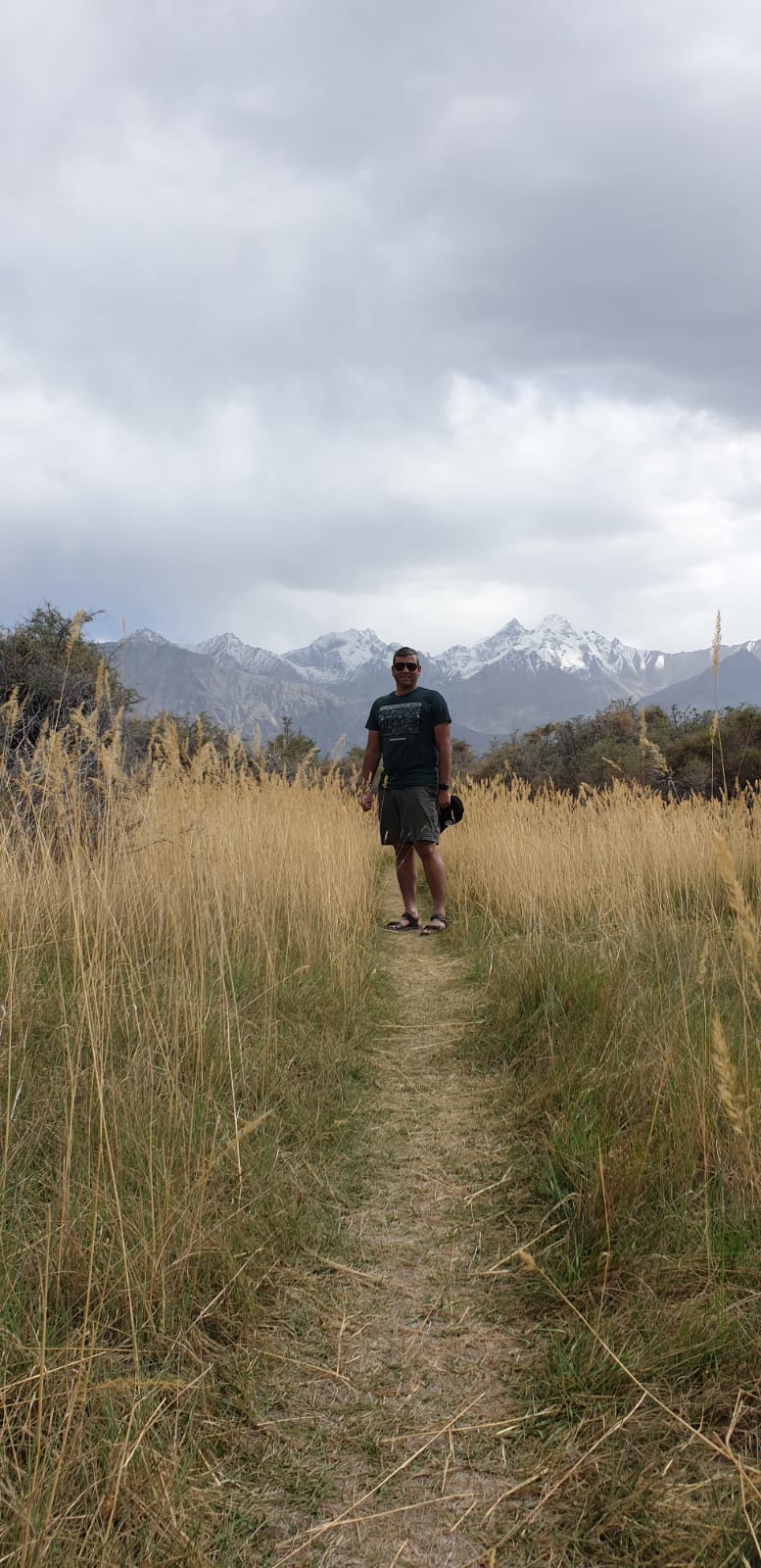
The sun had set and we had get into warmer clothing since the icy winds would bring in a significant drop in temperature along with it. We headed to the warmth of the library and this was my discovery of tales of Col. Chewang Richen. I later learned that he was the grandfather of the owner of the hotel but nevertheless, here are some highlights of one of India’s heroes.
(Late) Col. Chewang Rinchen
He is India’s youngest Maha Vir Chakra awardee and the age of 17, yes you read that right. The same age most of us are getting out of school he got his first Maha Vir Chakra. And yes, you read that right again, I did say First Maha Vir Chakra, he is a recipient of two Maha Vir Chakra’s and one Sena Medal. Just writing that line gives me goose bumps!
He was part of 3 Major wars
- 1948 War with Pakistan – He was instrumental in keeping Nubra from the invading force, details of this further below
- 1962 Sino India War – He was instrumental in holding Daulat Beg Oldie, a strategic forward airbase even today. He was awarded a Sena Medal in this war
- 1971 war with Pakistan – Now a Major in the army he was instrumental in capturing the Chalunka complex and the strategic outpost of Turtuk. This was known the Battle of Turtuk, he was one among six to receive the Maha Vir Chakra!
To honour Col. Rinchen, The Indian Army has named an army shopping complex after him in Leh. India’s highest altitude all-weather permanent bridge, in eastern Ladakh just 45 km from border with China has been named Col Chewang Rinchen Setu. The 1400-ft long bridge on Shyok River, at 14,650 ft is strategically located on the Darbuk–Shyok–DBO Road between Leh and Karakoram Pass.
Let me talk about the first war in 1948 as that is all I was able to read through before it became too late in the night, sadly I wasn’t able to find the book outside since it hasn’t been published widely. Let me lay out how things stood in 1948 a bit.
As soon as J&K ceded to India, Pakistan disputed the claim and decided to invade and take back the territory, although most of the fighting was focussed the Kashmir front, the entire Ladakh region was left exposed. With neither troops nor any kind of connectivity. There were no roads, there wasn’t an airport and literally no connect with India up until this point of time. The government of the day with the help of an American educated civil engineer designed an airstrip which they hoped could accommodate the landing of Dakota aircrafts. It required the the courage of an Air chief and Field Marshal Cariappa to fly into Ladakh in a battered old Dakota aircraft to ally the fears of the Ladakhi’s that India has their best interest at heart. Promises of supplies and men were made but unfortunately the Field Marshal Cariappa’s hands were tied with men and resources given the pitched battles that were being fought in Kashmir.
Some troops were moved from Kargil and they had to walk through snow and mountains which had valleys at 15000 feet and took almost 3 months to reach Leh. The Pakistani’s sensing an opportunity, had dreams of taking Ladakh from India without any resistance and were making rapid progress. It was in this backdrop that the Lion of Ladakh came into his own!
At the tender age of 17, Chewang Rinchen decided to drop out of studies and fight as he always thought he was meant for greater things. He enrolled himself in the Ladakh Guards on 25 July 1948. There were no men that the Indian army could spare, as the army HQ decided to hold Leh city rather than take the fight to Nubra Valley. This did not deter the young Rinchen, he campaigned and requested the village elders to send their young sons to fight with him. He was laughed out of most households given that India was an unknown quantity and they did not trust a 17 year old, he persisted and with hardly a week’s training, he organized and trained a local militia unit of 28 youths. In September, operating alongside Indian Army units, he fought in the Nubra Valley. His grim defense of a position on the Kharu Nullah earned him a promotion to the rank of Jemadar (Naib Subedar). In the same month, negotiating a 17,000 feet high snow-clad pass under most trying conditions, he helped the capture of Lama House, a vital enemy stronghold. An astounded Pakistani army retreated back from almost as close to Kahardungla, the war in Kashmir was continuing and was being a severe drain on resources and more supplies and men were non existent. Ammunition and support was pulled from Rinchen’s militia, again he was undeterred and during the height of winter he trekked his way across Khardungla and convinced the officers to part with a paltry amount of ammunition but just given the sheer courage that Rinchen had showed they decided to back him again. At the same time another unit of men were walking from Himachal and would take almost 4 months to reach Leh, by which time Ladakh would be under Pakistan control.
On 15 December, having marched for three days over high snowdrifts, he put in a fierce attack on a high hill feature near Biagdangdo and captured it. This action was immediately followed by his capture of Tukkar Hill, the last enemy position in Leh tehsil. This last action involved crossing over snow-clad hills 21,000 feet high. Half of his platoon was suffering from frostbite. But under his inspiring leadership and following his example of personal bravery, his men had accomplished a seemingly impossible feat. Yes, 21000 feet, we find it difficult to breathe on khardungla top which is about 18000 feet. These men were climbing sheer cliffs at 21000 feet. One of the methods in which Rinchen and his militia would attack, would be from the top as the enemy never expected an attack from a higher altitude. He was then promoted Subedar. Fighting in the Nubra Valley he was promoted through the ranks and was awarded Mahavir Chakra for his extraordinary bravery and became the youngest recipient of the award.
Rinchen and his militia that he had raised managed to successfully hold positions for months before they were relieved, thereby saving Nubra valley and most of Ladakh from enemy occupation.
I managed to type most of this out of memory and I would beg your pardon if I got some minute details wrong but this was a hell of story and with these thoughts going on in my head we hit the sack as tomorrow, we would start our journey back. We were at the northernmost point of our trip, we still had much to see and a lot to experience!
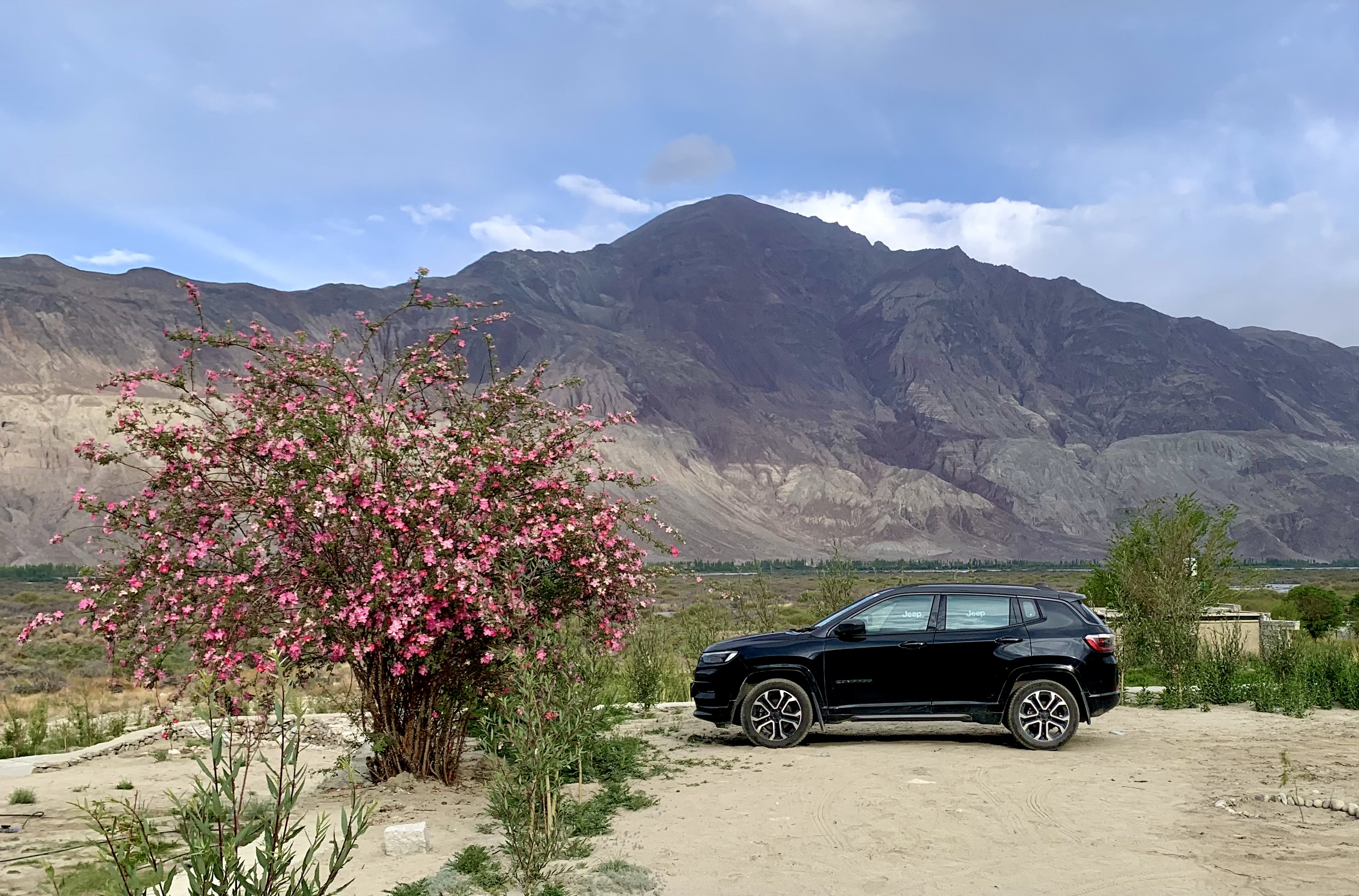
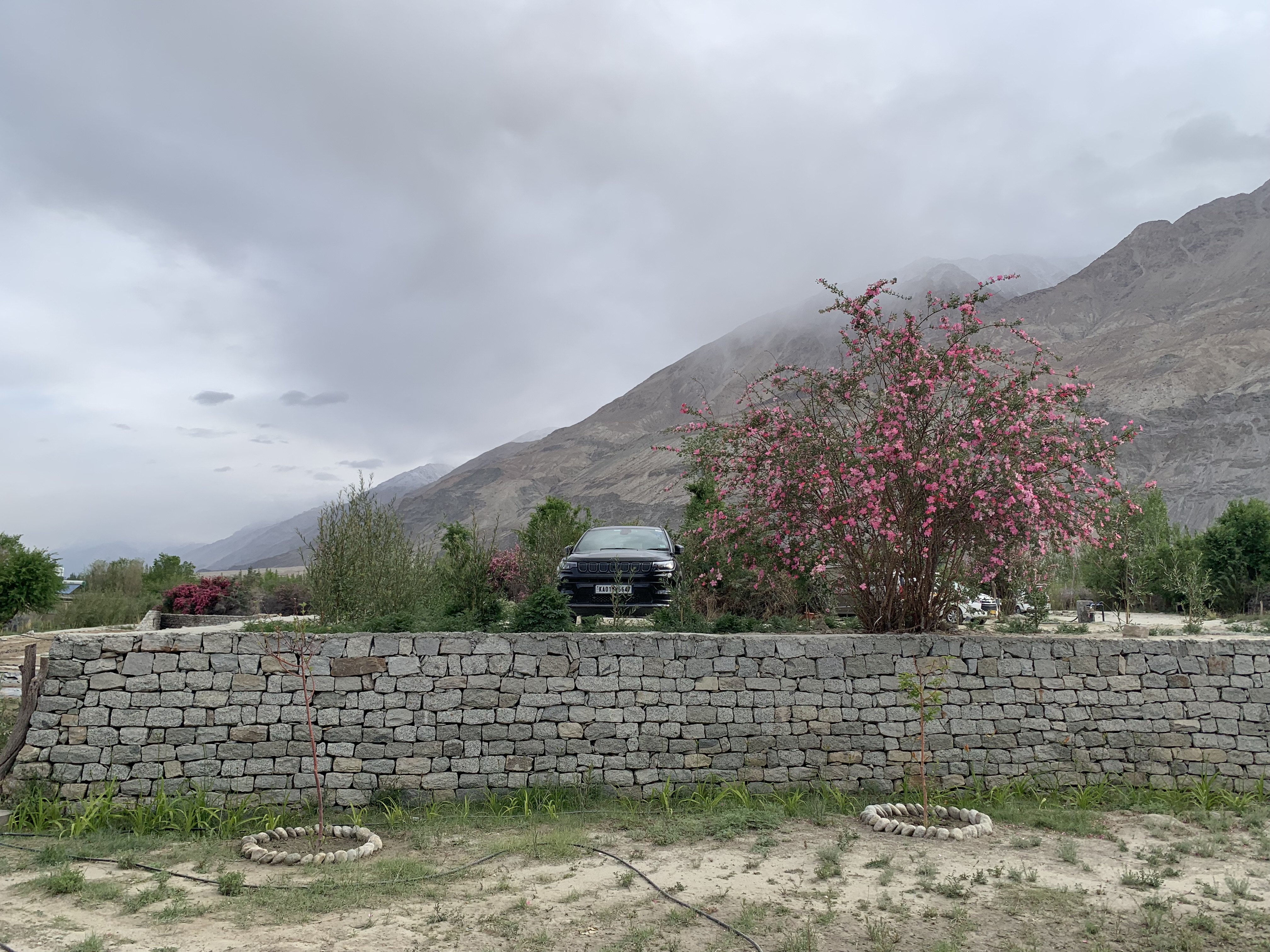
Some pictures of JC parked near the Siachen river, read about the rest of the trip in the next and final part!
Racing through the plains (Information Post)
White Carpet
Lion of Nubra- this post
Ice and Dust- next post

 Musings of a wanderer
3 Comments